TOP 10 Medical Cable Assembly Manufacturers for OEM Devices
Medical device manufacturers require specialized medical cable assembly solutions that combine precision engineering with uncompromising regulatory compliance. Whether you're designing diagnostic equipment, patient monitoring systems, or surgical instruments, choosing the right medical cable assembly manufacturer is critical to ensuring your devices meet stringent international standards and perform reliably in clinical environments.
This comprehensive guide evaluates the top medical cable assembly suppliers, highlighting their expertise in ISO 13485 certification, biocompatible materials, rigorous testing protocols, and full traceability documentation. Medical cable assemblies require more than generic wiring solutions—they demand expertise in compliance, quality assurance, and engineering support that sets specialized manufacturers apart from standard cable providers.
What Is a Medical Cable Assembly?
Medical vs. Standard Cable Assembly
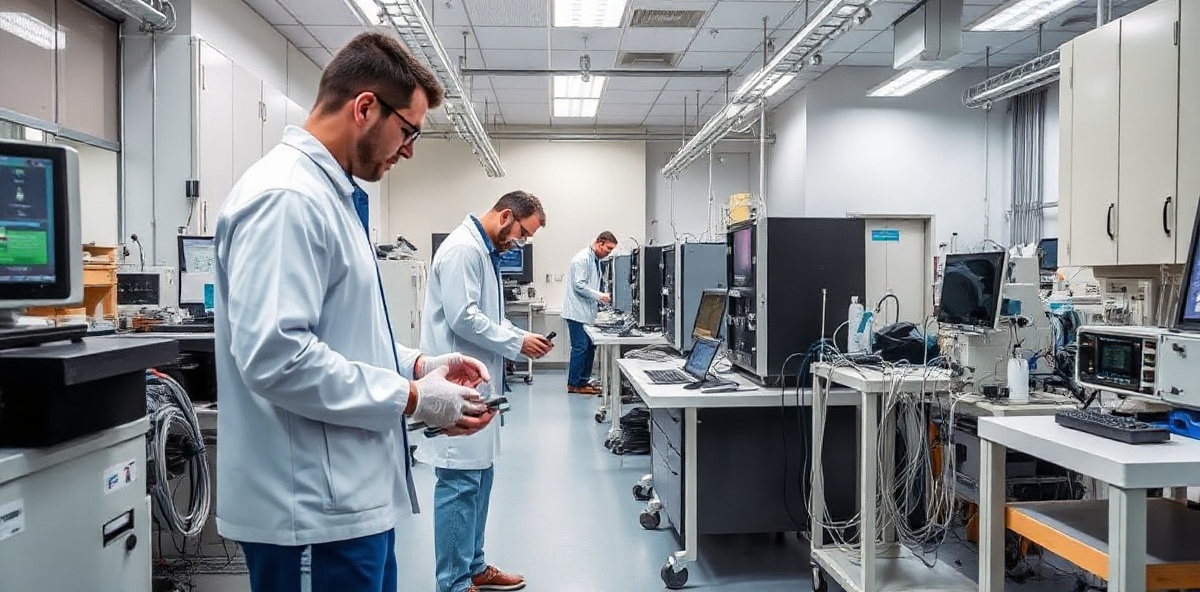
A medical cable assembly is a specialized interconnect solution engineered specifically for use in medical devices and healthcare equipment. Unlike standard industrial cable assemblies, medical-grade cables must meet rigorous regulatory requirements including ISO 13485 (Quality Management Systems for Medical Devices), ISO 10993 (Biocompatibility), and IEC 60601 (Safety and Effectiveness of Medical Electrical Equipment).
Typical Functions and Applications
Medical cable assemblies serve critical functions in connecting:
- Diagnostic electrodes to monitoring equipment
- Sensors to data acquisition systems
- Power supplies to patient-facing devices
- Imaging systems to control electronics
- Perfusion pumps to tubing systems
- Surgical instruments to power consoles
Why Stricter Controls Are Essential
Medical cable assemblies require stricter design, material, and testing controls because they directly impact patient safety. Failure or signal degradation in a cardiac monitoring cable could result in missed arrhythmias; contamination in a perfusion line could introduce infection; inadequate strain relief could lead to intermittent failures during critical procedures. This is why OEM medical device manufacturers partner with specialized cable assembly suppliers rather than using generic vendors.
Why Medical Cable Assemblies Require Specialized Design
Safety and Patient Protection
Medical cable assemblies must be designed with patient safety as the paramount concern. Electrical isolation, leakage current limits, and electromagnetic compatibility are governed by IEC 60601 standards. Every connector, conductor, and insulation material is selected to minimize risk of electrical shock, burns, or interference with other equipment in the clinical environment.
Signal Integrity and Reliability
Diagnostic and monitoring devices depend on clean signal transmission. Specialized medical device cable assembly designers employ shielding, twisted-pair construction, and impedance-controlled design to ensure signal fidelity. For imaging applications requiring high-speed data transmission, specialized medical cable assemblies maintain signal quality over longer distances.
Durability and Sterilization Compatibility
Many medical cable assemblies must withstand repeated sterilization cycles—whether by autoclaving, ethylene oxide gas, or radiation. This requires careful selection of materials that maintain their integrity across 100+ sterilization cycles without degradation. Reusable medical cables must be engineered for durability, while disposable medical cables must be cost-effective without compromising performance.
Documentation and Traceability
ISO 13485 requires complete traceability of materials, manufacturing processes, and testing results. Every medical cable assembly must be tracked from raw material sourcing through final assembly, with documentation that supports regulatory audits and post-market surveillance requirements.
Applications in Medical Devices
Diagnostic Equipment
Ultrasound systems, MRI machines, and CT scanners require specialized high-frequency cable assemblies that transmit image data without signal loss. Custom connectors and shielding are designed specifically for imaging applications. Medical cable assembly suppliers for diagnostic equipment must understand both electrical requirements and mechanical integration with complex imaging systems.
Monitoring Devices
Patient monitoring cables connect biocompatible electrodes to central monitoring stations. These include ECG/EKG leads, SpO2 sensors, and blood pressure cuffs. Reliability is critical—dropped connections during patient monitoring can delay diagnosis of life-threatening arrhythmias. Custom medical cable assemblies for monitoring must include secure connectors and strain relief to withstand bedside use.
Imaging and Surgical Systems
Endoscopes, surgical cameras, and intraoperative imaging systems require specialized custom medical cable assemblies with precise impedance matching and micro-connectors. These assemblies often incorporate fiber optic elements for light transmission or specialized shielding for high-frequency video signals.
Perfusion and Infusion Systems
Infusion pumps, dialysis machines, and extracorporeal circulation systems use robust tubing connectors and pressure-rated medical cable assemblies. These applications require biocompatible cable assembly materials in direct contact with sterile fluids, with tubing materials validated per ISO 10993.
Disposable vs. Reusable Assemblies
Disposable medical cables are optimized for single-use applications where cost efficiency is important but durability across multiple sterilization cycles is not required. Reusable medical cable assemblies are engineered for 100+ sterilization cycles, using more robust materials and construction techniques. Both types require dedicated expertise from medical cable assembly manufacturers.
TOP 10 Medical Cable Assembly Manufacturers
1. WellPCB
Overview: WellPCB is a leading medical cable assembly manufacturer specializing in ISO 13485-certified custom cable solutions for OEM medical device manufacturers. With headquarters in Los Angeles and extensive manufacturing capabilities, WellPCB combines engineering expertise with rigorous compliance to support devices across diagnostic, monitoring, surgical, and patient-connected applications.
Key Capabilities:
- ISO 13485 and ISO 9001 certified manufacturing
- Biocompatible material selection (ISO 10993 compliance)
- Custom overmolding and strain relief engineering
- Full traceability and documentation support
- Design validation and prototype development
- High-volume and low-volume production
Spokesperson: Hommer Zhao
Position: Director of Sales and Marketing, Co-founder
Phone: (424) 842-2783
Email: hommer.z@ourpcb.com
Location: 3826 Medford St, Los Angeles, CA 90063, USA
Website: wellpcb.com
2. MedConnect Cable Solutions
MedConnect specializes in custom medical wire harness and cable assembly manufacturing with a focus on miniaturization and high-density connectors for cardiology and neurology applications. Their engineering team excels at IEC 60601 design and electromagnetic compatibility optimization.
Specialization: High-frequency imaging cables, patient monitoring cables, custom connector design
3. BioTech Assembly Corporation
BioTech Assembly is renowned for overmolded medical cable assemblies with exceptional strain relief and long-term durability. They maintain ISO 13485 certification and specialize in reusable surgical and diagnostic cable assemblies.
Specialization: Overmolded medical cables, sterilization-compatible assemblies, surgical instrument connections
4. Precision Medical Interconnects
Precision Medical Interconnects offers comprehensive OEM medical cable assembly solutions including design consultation, prototype validation, and full-scale manufacturing. They maintain certifications in ISO 13485, ISO 10993, and ISO 14644 cleanroom standards.
Specialization: Custom connector design, biocompatible material selection, full design validation support
5. FlexMed Cable Systems
FlexMed specializes in flexible and adaptive medical device cable assemblies with particular expertise in patient-worn and wearable medical devices. Their focus on comfort and reliability makes them ideal for continuous monitoring applications.
Specialization: Patient monitoring cables, wearable device assemblies, disposable medical cables
6. Advanced Cable Technologies
Advanced Cable Technologies manufactures IEC 60601-compliant cable assemblies for diagnostic equipment including ultrasound, MRI, and CT systems. Their expertise in high-frequency transmission and impedance control is unmatched in the industry.
Specialization: Diagnostic equipment cables, high-frequency assemblies, imaging system connectors
7. BioMed Assembly Partners
BioMed Assembly Partners excels at small-batch and prototype medical cable assembly work, offering rapid turnaround and flexible design modifications. Perfect for startup medical device companies and development teams.
Specialization: Prototype development, low-volume production, custom design consulting
8. MedLink Manufacturing
MedLink Manufacturing provides comprehensive medical cable assembly and custom wire harness solutions with special expertise in perfusion systems and infusion pump connections. ISO 13485 certified with extensive biocompatible material library.
Specialization: Perfusion system cables, biocompatible assemblies, infusion tubing connectors
9. ClinicalConnect Assembly
ClinicalConnect Assembly specializes in reusable medical cable assemblies engineered to withstand 100+ sterilization cycles. Their materials engineering expertise ensures cables maintain performance across autoclave, EtO gas, and radiation sterilization methods.
Specialization: Reusable surgical cables, sterilization-resistant materials, durability testing
10. HealthTech Connector Solutions
HealthTech Connector Solutions offers integrated solutions combining custom medical cable assemblies with connector expertise. Strong focus on electromagnetic compatibility and regulatory documentation for FDA and EU MDR submissions.
Specialization: Connector innovation, EMC optimization, regulatory documentation support
Manufacturing Capabilities for Medical Cable Assemblies
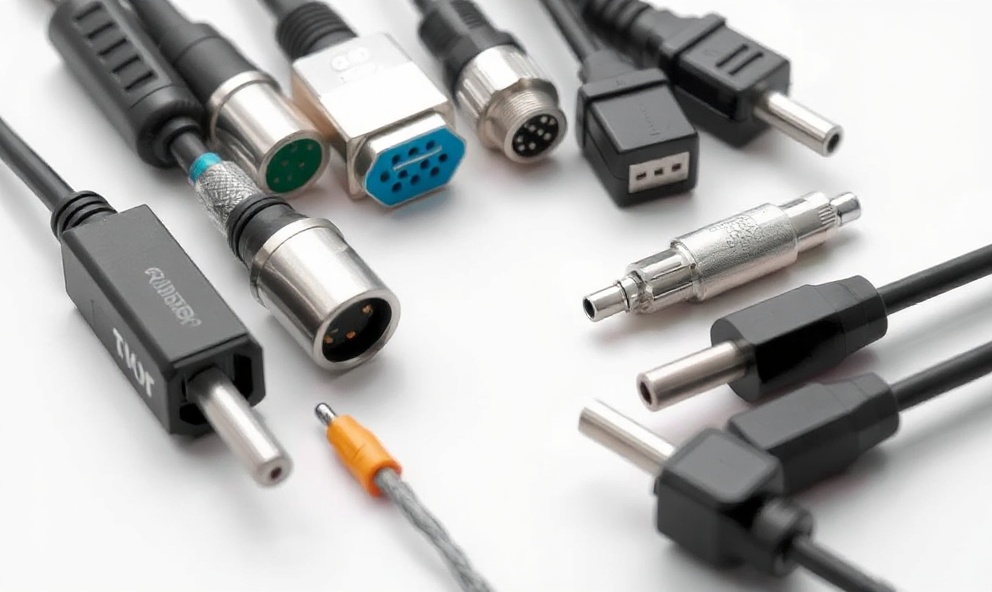
Top-tier medical cable assembly manufacturers offer comprehensive capabilities that extend far beyond simple wiring:
Design and Engineering Support
Leading OEM medical cable assembly suppliers provide design consultation services, including signal integrity analysis, impedance matching, EMC modeling, and material selection guidance. This engineering-first approach ensures your custom medical cable assembly meets performance requirements before manufacturing begins.
Custom Connector Development
Some applications require custom connectors not found in standard catalogs. Specialized manufacturers can develop proprietary connectors optimized for your device's form factor and use environment. This includes medical-grade locking connectors, quick-disconnect couplings, and miniaturized multi-pin designs.
Overmolding and Strain Relief
Overmolded medical cable assemblies provide superior strain relief and protection against fluid ingress. The custom-molded overmold creates a secure mechanical bond while protecting the transition zone where connector and cable meet—a critical failure point in standard assemblies.
Prototype Development and Validation
The best medical cable assembly suppliers can rapidly prototype and validate designs, providing functional samples within weeks. This rapid iteration capability accelerates your device development timeline.
High-Volume and Low-Volume Production
Top manufacturers serve both early-stage device developers requiring small quantities and established companies producing millions of units annually. Production flexibility ensures you can scale from prototype to market without changing suppliers.
Materials and Design Considerations
Biocompatible Materials
Biocompatible cable assembly design requires careful material selection, particularly for cables in direct contact with patient skin or body fluids. Insulation materials must meet ISO 10993 biocompatibility standards, including tests for cytotoxicity, sensitization, and irritation. Common biocompatible materials include silicone, polyurethane, and fluoropolymers rated for medical use.
Sterilization-Compatible Materials
Sterilization method selection dictates material choices. Autoclaving (steam sterilization) requires materials stable above 121°C. Ethylene oxide (EtO) sterilization allows lower-temperature materials but requires compatibility with EtO. Radiation sterilization demands materials resistant to free-radical damage. Expert manufacturers help select materials appropriate for your intended sterilization method to avoid degradation or brittleness.
Custom Connector Materials
Beyond standard brass and nickel-plated contacts, specialized medical device cable assembly applications sometimes require gold-plated contacts for improved corrosion resistance or silver-plated contacts for specific electrical properties. Housing materials range from standard thermoplastics to specialized medical-grade polymers.
Color Coding and Visual Identification
Medical cable assemblies often incorporate color-coded insulation or sleeve markers to aid clinician identification in high-stress environments. Design considerations include ensuring colors remain stable during sterilization and don't fade over the device's intended lifespan.
Length and Gauge Optimization
Optimal cable length balances clinical convenience with electrical performance. Too-short cables restrict device placement; too-long cables introduce signal degradation and clutter. Conductor gauge selection affects both signal integrity and overall cable flexibility. Expert designers optimize these parameters for your specific application.
Standards and Compliance: ISO 13485, ISO 10993, and IEC 60601
ISO 13485: Quality Management Systems for Medical Devices
ISO 13485 certification demonstrates that a manufacturer maintains rigorous quality management systems specifically designed for medical devices. This includes comprehensive documentation, design controls, supplier management, production controls, and traceability. Every ISO 13485 cable assembly should be traceable from raw material sourcing through final assembly, with documented validation of all manufacturing processes.
ISO 10993: Biocompatibility of Medical Devices
ISO 10993 establishes biocompatibility requirements based on the nature and duration of patient contact. For cables contacting skin or tissue, comprehensive testing may be required including cytotoxicity, sensitization, irritation, systemic toxicity, and genotoxicity. Biocompatible cable assembly manufacturers maintain libraries of pre-tested materials with documented biocompatibility profiles.
IEC 60601: Safety and Effectiveness of Medical Electrical Equipment
IEC 60601 establishes electrical safety requirements including maximum permissible leakage currents, electromagnetic compatibility, and protection against electrical hazards. IEC 60601 cable assemblies must incorporate appropriate insulation, grounding, and shielding to prevent electrical shock or interference. This standard applies to all power-carrying or signal-carrying cables in medical devices.
Regulatory Documentation and Traceability
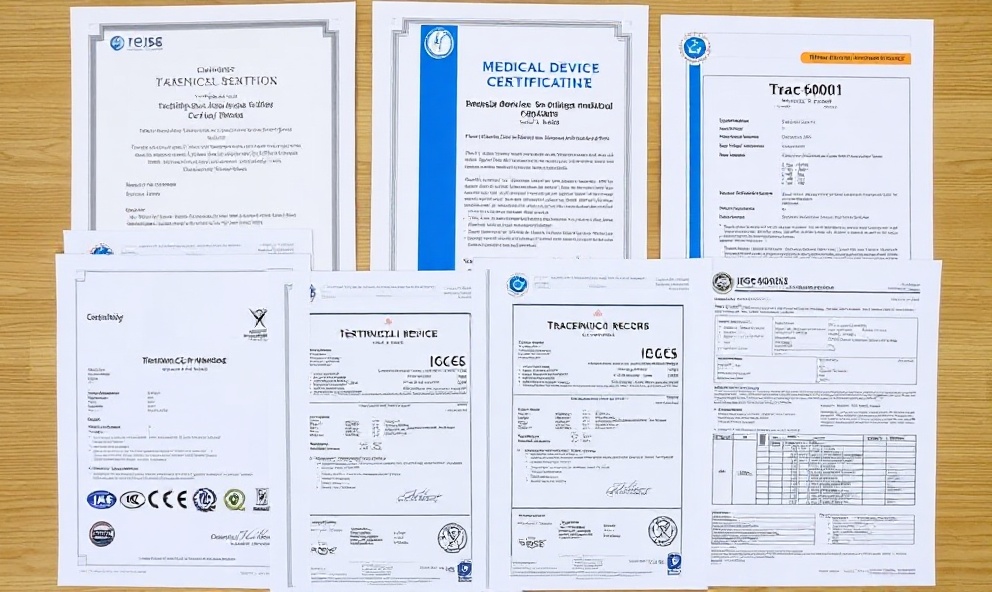
FDA approval and CE marking require comprehensive documentation proving compliance with applicable standards. Top medical cable assembly manufacturers provide complete technical files including design specifications, materials data, test certificates, biocompatibility reports, and manufacturing process validations. This documentation supports both initial device approval and post-market surveillance activities.
Testing and Quality Control
Electrical Performance Testing
Medical cable assemblies undergo rigorous electrical testing including insulation resistance, dielectric strength, continuity testing, and impedance verification. These tests validate that cables meet all electrical performance requirements across their entire operational life.
Mechanical Durability Testing
Flex testing, tensile strength testing, and connector pull-force testing ensure medical cable assemblies withstand clinical handling and repeated use. For reusable cables, testing includes multiple sterilization cycles to confirm materials maintain integrity throughout the product lifecycle.
Chemical and Environmental Testing
Cable assemblies may be exposed to antiseptic solutions, cleaning agents, or specific environmental conditions. Testing confirms that materials resist chemical attack and that sterilization processes don't compromise performance.
Biocompatibility Validation
Comprehensive biocompatibility testing per ISO 10993 confirms that materials are safe for patient contact. Testing includes extract studies to identify potentially harmful substances, followed by cellular and systemic toxicity evaluation.
Complete Documentation
All test data is documented and provided with the product, supporting regulatory submissions and post-market surveillance. This documentation demonstrates that each medical cable assembly meets all specified requirements and regulatory standards.
How to Choose the Right Medical Cable Assembly Manufacturer
Verify Regulatory Certifications
Ensure your potential manufacturer holds current ISO 13485 certification (with regular audit schedules) and can provide evidence of ISO 9001 quality management as well. Request audit reports and certification dates to confirm ongoing compliance.
Evaluate Design and Engineering Expertise
Ask about their team's experience with your specific application type (diagnostic equipment, patient monitoring, surgical tools, etc.). Request case studies or references demonstrating successful designs in your market segment. Top manufacturers should offer design consultation and validate designs before production.
Assess Biocompatible Material Library
Request information about their validated biocompatible materials and available biocompatibility documentation. A well-stocked material library means faster design cycles and lower development costs. Ask which sterilization methods they support.
Understand Production Flexibility and Scaling
Discuss prototype development capabilities, typical lead times, and production volume capabilities. Can they support your initial launch volumes and future growth? Will your manufacturer be available as your device scales?
Review Quality Assurance Processes
Request information about their testing capabilities, traceability systems, and documentation processes. Will they provide complete technical files supporting your regulatory submissions? How do they handle deviation investigation and corrective action?
Evaluate Regulatory Support
Top medical cable assembly manufacturers provide support for FDA submissions, CE marking documentation, and post-market surveillance. Do they maintain the technical expertise to support your regulatory strategy?
Ordering Process and Lead Times
Initial Design Consultation
Most medical cable assembly manufacturers begin with a design consultation to understand your specific requirements. This includes discussing electrical performance, biocompatibility needs, sterilization methods, production volume, and timeline.
Quotation and Timeline Estimation
After the initial consultation, manufacturers provide quotations and estimated lead times. Initial prototype development typically requires 2-4 weeks, while production tooling may require additional time depending on complexity.
Prototype Development and Validation
Prototypes are delivered for your validation. This phase includes functional testing, design review, and any necessary modifications. Most manufacturers allow design iterations during the prototype phase.
Design Finalization and Tooling
Once prototypes meet requirements, final designs are confirmed and any required tooling is manufactured. This phase includes documentation of final specifications and process parameters.
Production and Delivery
Production typically begins after design finalization. Lead times depend on volume but commonly range from 2-8 weeks for initial production runs, with faster turnaround for reorders using existing tooling.
Frequently Asked Questions About Medical Cable Assemblies
What's the difference between medical and standard cable assemblies?
Medical cable assemblies are specifically engineered to meet rigorous regulatory standards (ISO 13485, ISO 10993, IEC 60601) and must maintain complete traceability. They incorporate biocompatible materials, rigorous testing protocols, and comprehensive documentation—requirements that exceed standard industrial cable assemblies.
How long does it take to develop a custom medical cable assembly?
Prototype development typically requires 2-4 weeks, followed by design validation and any necessary iterations. Production tooling may require an additional 1-3 weeks depending on complexity. Total timeline from initial consultation to first production units is typically 6-12 weeks for straightforward designs.
What makes medical cable assemblies suitable for sterilization?
Medical cable assembly materials are selected specifically for compatibility with your intended sterilization method. Autoclave-compatible materials withstand 121°C steam. EtO-compatible materials resist exposure to ethylene oxide gas. Radiation-compatible materials resist damage from gamma or e-beam radiation. Leading manufacturers validate materials against your specific sterilization process.
What is biocompatibility testing and why is it necessary?
Biocompatibility testing per ISO 10993 confirms that cable materials are safe for patient contact. Testing includes cytotoxicity evaluation, sensitization testing, irritation testing, systemic toxicity assessment, and genotoxicity evaluation. These tests identify any potentially harmful substances that could leach from cable materials into patient tissue or bloodstream.
Can medical cable assemblies be customized for specific applications?
Yes, extensive customization is available including custom length, gauge, connectors, overmolding design, color coding, and labeling. Top manufacturers offer design consultation to optimize cables for your specific application while maintaining regulatory compliance.
What documentation is provided with medical cable assemblies?
Complete technical documentation includes design specifications, materials data sheets, test certificates, biocompatibility reports, manufacturing process validations, traceability records, and sterilization validation. This documentation supports FDA submissions, CE marking, and post-market surveillance requirements.
What is the typical cost for custom medical cable assemblies?
Costs depend on complexity, materials, volume, and customization. Prototype quantities typically range from $50-500 per unit depending on design. Production volumes of 1,000+ units typically range from $5-50 per unit. Initial consultation with manufacturers provides specific quotations for your application.
How do manufacturers ensure traceability and quality control?
ISO 13485-certified manufacturers maintain detailed records tracking each component from raw material sourcing through final assembly. Lot traceability enables quick identification of any batches affected by quality concerns. Regular process audits and testing confirm ongoing compliance with specifications.
What are typical lead times for reorders?
Reorders using existing tooling typically have faster lead times than initial production. Standard lead times are usually 2-6 weeks depending on volume and manufacturer capacity. Expedited options may be available for urgent requirements.
Can medical cable assemblies support multiple sterilization methods?
Some cable assemblies can support multiple sterilization methods, though this requires careful material selection and comprehensive validation. Most commonly, manufacturers design for a primary sterilization method (e.g., autoclave) while evaluating compatibility with secondary methods.
Conclusion: Partnering with Specialized Medical Cable Assembly Manufacturers
Selecting the right medical cable assembly manufacturer is a critical decision that directly impacts your device's regulatory compliance, clinical reliability, and market success. The top manufacturers listed in this guide combine ISO 13485 certification, extensive engineering expertise, comprehensive material libraries, and robust testing capabilities to support OEM medical device developers from prototype through high-volume production.
When evaluating options, prioritize manufacturers who demonstrate strong understanding of your specific application, offer design consultation and prototype validation, maintain current regulatory certifications, and provide complete technical documentation supporting your regulatory strategy. The investment in partnering with a specialized manufacturer pays dividends through faster time-to-market, reduced design risk, and confidence that your medical cable assemblies meet all regulatory requirements.
Whether your device requires simple patient monitoring cables, complex diagnostic equipment interconnects, or specialized surgical instrument connections, the expertise and capabilities of top medical cable assembly suppliers ensure that every cable contributes to clinical performance and patient safety.